
The impact of keeping dogs on health

Owning a dog offers various health benefits for the ownerBeyond the fact that dogs are loyal companions, studies indicate that dog ownership can reduce stress and promote a sense of relaxation or calmFrom a medical standpoint, dogs can even detect the onset of epileptic seizures or certain types of cancer in humansHowever, despite these many benefits, it is important to remain aware that dogs can carry bacteria or parasites capable of causing illnessAlthough transmission to humans is rare, some diseases associated with dog ownership include:

Campylobacteriosis (manifesting as diarrhea)
Parasitic infections (such as dog tapeworms and hookworms)
Rabies
Leptospirosis
Lyme disease (transmitted via dog ticks)

Toxoplasmosis is actually transmitted more frequently cats than other animals, though the parasite can also be present in the feces of various other animalsRegarding dogs specifically, some sources suggest that Lyme disease might affect female reproductive health—potentially causing endometriosis and miscarriage—and impact male fertility; however, this has not yet been conclusively proven.

Therefore, if you decide to own a dog, here are some measures to protect your health:

Always wash your hands with soap after playing with your dog or cleaning up its wasteAlso, remember to wash your hands before and after meals, as many of these diseases are contracted when bacteria or parasites on contaminated hands are accidentally ingested.
Do not allow animals inside the house.
Wash vegetables or fruits that are to be eaten raw.
Maintain your dog’s hygiene bathing it at least once a weekClean the dog immediately after it has played in dirt or on grass, prevent contact with wild animals, do not let it eat things like rodents or food scraps, ensure it is vaccinated, and clean its kennel regularly using gloves and antiseptic.

That concludes the information we have to shareWe hope you find it useful.
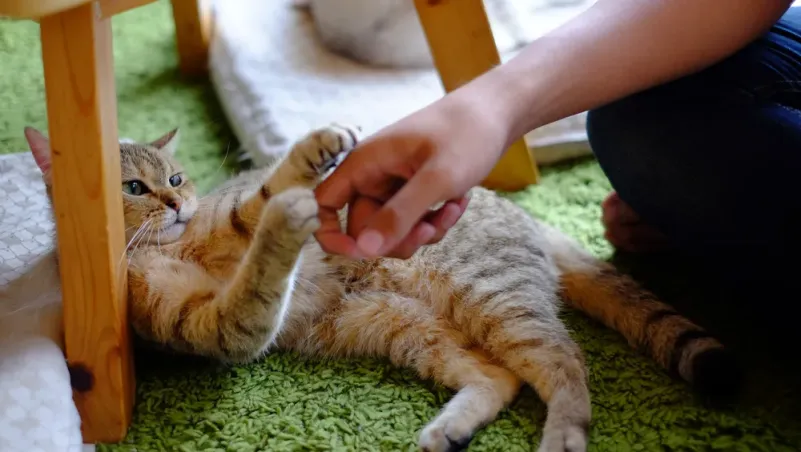
How to Care for Cats to Keep Them Healthy and Happy: A Guide for Beginners

Cats are popular pets thanks to their cute faces, soft fur, and adorable anticsHowever, caring for a cat involves more than just feeding themThere are several care practices you should follow to ensure your furry friend stays healthy and happy.

How to Keep Your Cat Healthy and Happy

If you are a new cat owner and are unsure about the basics of care, here are some steps you can take.

1Feed them regularly

The most important aspect of cat care is providing food that meets their specific needsThe food you choose should be nutritionally balanced for their life stage.

Keep in mind that cats require taurine and essential amino acids in their diet for eye and heart healthThese nutrients are typically found in dry food.

You can also offer your cat cooked beef, chicken, chicken liver, and fishAvoid feeding them raw or spoiled meat, as well as fish with sharp bones.

Additionally, treats should make up about 5–10% of their total diet.

There are various types of treats available, but wet food is a common choiceYou can offer wet food once or twice a week.

2Provide a water source

Just like humans, cats need water to stay healthyProper hydration helps prevent dehydration, urinary tract infections, and kidney diseaseIt is helpful to understand your cat’s preferred way of drinking.

If you have ever seen your cat drinking from a tap or pawing at their water bowl, they likely prefer running water.

If your cat prefers running water, consider getting a pet water fountain so they are more inclined to drink from the bowlDon’t forget to change the water once a day.

3Brush your cat’s fur daily

Another excellent way to maintain your cat’s health is brushing their fur every dayThis habit can also help strengthen the bond between you and your petAdditionally, brushing their fur prevents tangles and matting, especially in long-haired cats.

While your furry friend can remove loose fur grooming themselves, you can also assist with this process.

Besides, brushing while petting your cat is an enjoyable activity.

4Provide a litter box

An essential part of cat care is providing a litter box for your cat to relieve itself.

Choose a low-dust cat litter to prevent your cat from sneezing frequently.

You should also provide an extra litter box—at least one more than the number of cats you ownFor example, if you have two cats, provide three litter boxes.

Having an extra litter box gives your cat an alternative if, for some reason, they do not wish to use their usual box.

Pay attention to where you place the litter box as well; ensure it is in a location that is easily accessible and comfortable for your cat.

Most importantly, keep the litter box dry; do not let it become damp.

5Provide a scratching post

You should know that cats love to scratch to sharpen their claws and stretch their muscles.

This is a natural, healthy, and important behavior for catsUnfortunately, it can damage household furniture, such as sofas or carpets.

Therefore, provide a scratching post for your catIt may take some time for your cat to get used to the scratching post.

However, over time, they will learn to scratch in that designated spot.